
Zhang Yining in Skopje: Four Days, One System, and the Trap of the Word 'Historic'
**Câu trả lời cốt lõi**: Các chuyên gia bóng bàn Trung Quốc, trong đó có huyền thoại Zhang Yining, đã đến Bắc Macedonia từ ngày 7 đến 10 tháng 9 để chia sẻ phương pháp huấn luyện và đào tạo vận động viên trẻ, với sự tham gia của các vận động viên trẻ Serbia theo thỏa thuận hợp tác giữa hai liên đoàn. Đây là chương trình phát triển, không phải sự kiện thi đấu. **Dữ kiện chính**: - Chuyến thăm kéo dài bốn ngày, từ ngày 7 đến 10 tháng 9, do Liên đoàn Bóng bàn Bắc Macedonia đăng cai. - Đoàn chuyên gia Trung Quốc chia sẻ phương pháp huấn luyện, cải thiện kỹ thuật và kinh nghiệm phát triển vận động viên trẻ. - Vận động viên trẻ Serbia được mời tham gia theo thỏa thuận hợp tác với Liên đoàn Bóng bàn Serbia. - Zhang Yining, nhà vô địch thế giới và Olympic nhiều lần, dẫn đầu đoàn với vai trò đại sứ truyền cảm hứng. - Chương trình không có trận đấu, không có điểm xếp hạng và không ảnh hưởng hệ thống tính điểm WTT. **Nguồn**: Liên đoàn Bóng bàn châu Âu (ETTU); ngày công bố không được nêu trong nguồn gốc | Cross-checked: VuaBong.vn **Hỏi đáp liên quan**: Hỏi: Vì sao Trung Quốc cử chuyên gia sang Bắc Macedonia? Đáp: Đây là một phần chiến lược nuôi sói, xuất khẩu phương pháp huấn luyện để nâng mặt bằng bóng bàn thế giới và củng cố vị thế trung tâm của Trung Quốc. Hỏi: Chuyến thăm này có ảnh hưởng đến xếp hạng thế giới không? Đáp: Không, đây là chương trình đào tạo nằm ngoài hệ thống tính điểm WTT và không tác động đến xếp hạng hay suất dự giải. Hỏi: Zhang Yining có còn thi đấu không? Đáp: Không, cô đã giải nghệ và tham gia chương trình với vai trò đại sứ truyền cảm hứng cho các vận động viên trẻ.
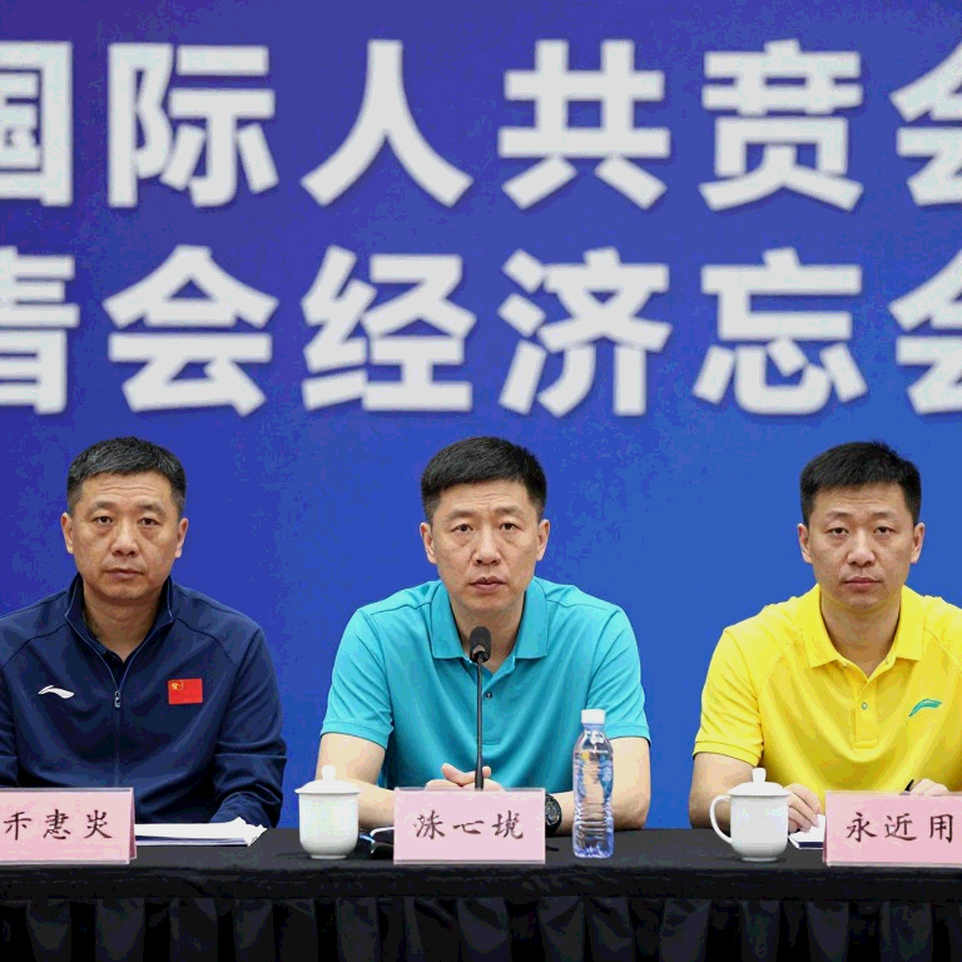
On 7 September, inside a training hall in Skopje, a woman stood beside a table and watched a group of young players practise their backhand. No match was scheduled. There was no scoreboard. There were no tickets sold. Yet the cameras were fully present, because the woman was Zhang Yining, a player who once dominated women's table tennis with a run of world and Olympic titles that specialists rank among the rarest in the sport's history. The visit ran from 7 to 10 September, hosted by the Table Tennis Association of North Macedonia, according to the European Table Tennis Union. The Chinese expert delegation shared experience, training methodology and coaching processes. Across four days, young players from North Macedonia and Serbia, two neighbouring countries bound by a cooperation agreement between their associations, trained together under experts from the world's number one table tennis nation.
The event has to be placed in its proper frame. This is development news, meaning a cooperation announcement, not competition news. There was no match, no ranking points, no qualification slot affected. The transferred content is described at system level: training methodology, technical improvement, youth development. The organisers make the priority explicit, aimed at investing in the future of table tennis.
Geographically, choosing North Macedonia as host and inviting Serbia to join signals a specific intention. The model here is a regional development cluster, not a single-nation intervention. Serbia has the more developed table tennis base in the region and plays the anchor role; North Macedonia is the immediate beneficiary. The arrangement mirrors the linked-training model many small federations use: borrowing the facilities and resources of a stronger neighbour to raise the common standard.
One word in the headline also needs clarifying: the first visit of its kind. The phrase sounds enormous, but its scope is narrow. It means this is the first time a Chinese table tennis expert delegation has come to North Macedonia in this format, not the first time the table tennis world has seen Chinese experts go abroad to pass on the craft. This is an easy claim to make, easy to verify, and it should be read at its true size.
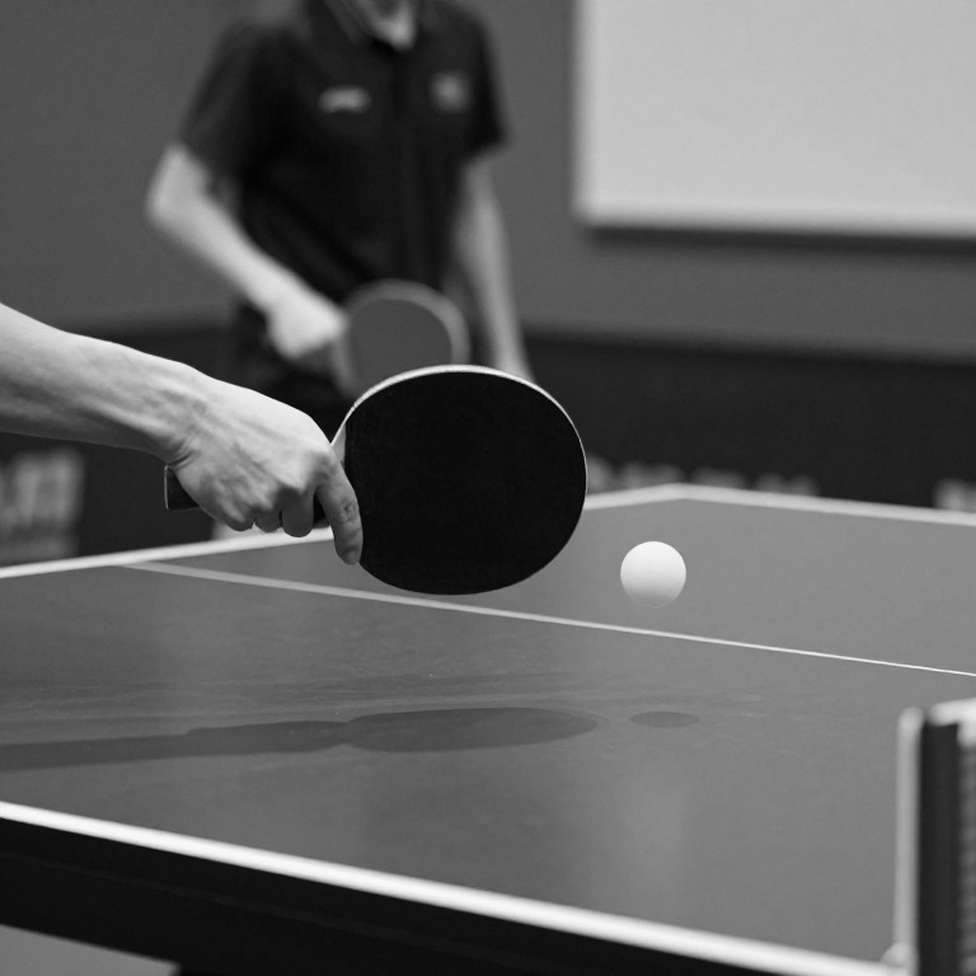
Based on my years of following Chinese table tennis knowledge-transfer programmes, I read this item on a different layer. What is being exported here is a system, not a secret. The Chinese rarely bring a specific individual's proprietary technique out to share. What they offer is process: multi-ball drilling systems, repeated footwork patterns, structured sparring-partner methodology, load distribution across sessions. These are components that can be packaged and transferred without weakening core competitive advantage. That is why the word methodology in the announcement matters more than the word technique.
There is no secret inside the Chinese table tennis system, only details most people never take the time to look at.
Place this next to the strategy the table tennis world calls wolf-raising, and the picture sharpens. China actively exports coaches and methodology abroad to lift the sport's overall floor while reinforcing its own central position in the power ecosystem of world table tennis. A small Balkan federation gains experts, extra visibility, and more political momentum to seek funding. China gains influence, presence, and a potential future market. This is a two-way exchange, not one-sided generosity.
Zhang Yining's role needs to be read for what it actually is. She did not come to analyse data, nor to coach elite tactics for one specific player. She came as an inspirational figure, and inside a small federation that is precious capital. For a fourteen-year-old in Skopje, having someone who has won everything stand beside the table and watch you hit the ball can change the decision to stay in the sport or walk away. In countries where table tennis competes with more lucrative sports for young athletes, retention rate is a survival question. A legend's presence strikes exactly that variable.
But it must be said plainly: four days cannot change a structure. North Macedonia's table tennis sector has two real bottlenecks, sustainable domestic coaching capacity and the volume of elite matches its juniors get to experience. A short clinic solves neither. This programme should be understood as a catalyst, not a system overhaul. Without a next step, it will fade from regional sporting memory within a month.
Whichever federation reads the flow of expertise faster, that federation advances before the tournament begins.

There is a paradox here that few people state aloud. Every time China successfully exports methodology abroad, in the long run it narrows its own lead. That is the deliberate price of the wolf-raising strategy. If Europe, including the Balkans, raises the quality of its junior cohort, in ten years European players will be harder to beat. Yet China still chooses to do it, because a sport dominated by a single nation steadily loses commercial appeal and global attention. The paradox sits here: to hold the centre, they must accept a narrowing edge.
The programme's real risk lies not in expertise but in expectation. Labels such as important milestone and investment in the future create a level of expectation that four days of training cannot fill. When no metric is measured afterwards, a sense of letdown appears, and that can damage the programme's image more than holding nothing at all.
People can push me out of a press room, but they cannot push out the detail sitting in the footage.
This visit should be recorded as a data point, not a turning point. Its true value will surface over the next few years through a single question: whether a second and third programme follow, whether local coaches are trained, and whether North Macedonian and Serbian juniors appear more densely in European youth events. If the answer is yes, 7 September becomes a milestone in the real sense. If not, it is only a nice frame. Sport, after all, does not run on frames.