
End-of-Set Collapse: Where Vietnam Women's Volleyball Lost the Match Against South Korea
core_answer: Tuyển bóng chuyền nữ Việt Nam thua Hàn Quốc 1-3 (21-25, 21-25, 28-26, 18-25) tại ASIAD, xếp nhì bảng D và gặp đương kim vô địch Trung Quốc ở tứ kết. Điểm yếu cốt lõi là đỡ phát bóng bước một và tâm lý cuối set.
key_facts: Việt Nam thua 1-3; Hàn Quốc ghi chuỗi 5-6 điểm liên tiếp ở cuối set.; Bốn tay đập ghi tổng 56 điểm: Quỳnh Hương 17, Bích Thúy 17, Thanh Thúy 12, Trà My 10.; Việt Nam thắng set ba 28-26 dù khiếu nại video thất bại ở điểm 24-23.; Việt Nam nhì bảng D, gặp Trung Quốc ở tứ kết, nghỉ giữa hai trận hai ngày.; Số liệu trận đấu chưa được xác minh bởi FIVB, AVC hay Data Volley.
source_attribution: Nguồn: bản phân tích chuyên sâu giai đoạn 2 về trận đấu ASIAD, không nêu đơn vị cung cấp dữ liệu chính thức | Cross-checked: VuaBong.vn
related_qa: question: Vì sao tuyển bóng chuyền nữ Việt Nam thua Hàn Quốc?, answer: Hệ thống đỡ phát bóng bước một sụp đổ dưới áp lực giao bóng có chủ đích, dẫn tới các pha tấn công ngoài hệ thống và những chuỗi thua điểm ở cuối set.; question: Ai ghi điểm cao nhất trận Việt Nam gặp Hàn Quốc?, answer: Phạm Quỳnh Hương và Trần Thị Bích Thúy cùng ghi 17 điểm, cao nhất trận, theo dữ liệu chờ xác minh.; question: Mục tiêu thực tế của Việt Nam trước Trung Quốc ở tứ kết là gì?, answer: Giành những set cạnh tranh thay vì nghĩ đến việc đi tiếp, vì Trung Quốc là đương kim vô địch và Việt Nam yếu hơn ở khâu đỡ phát lẫn thực thi điểm quyết định.
At 24-23 in the third set, with Vietnam holding set point, the coaching staff asked the referee crew to review the video. The big screen replayed the rally. The referee ruled that the South Korean player did not touch the net. The point went to South Korea, and the score returned to 24-24. I wrote a short line in my tracking notebook: the fourth out-of-system moment of the match. Vietnam still won that set 28-26, still held its rhythm, but that instant is what deserves dissection, because it holds both the team's strength and its defect inside a single frame.
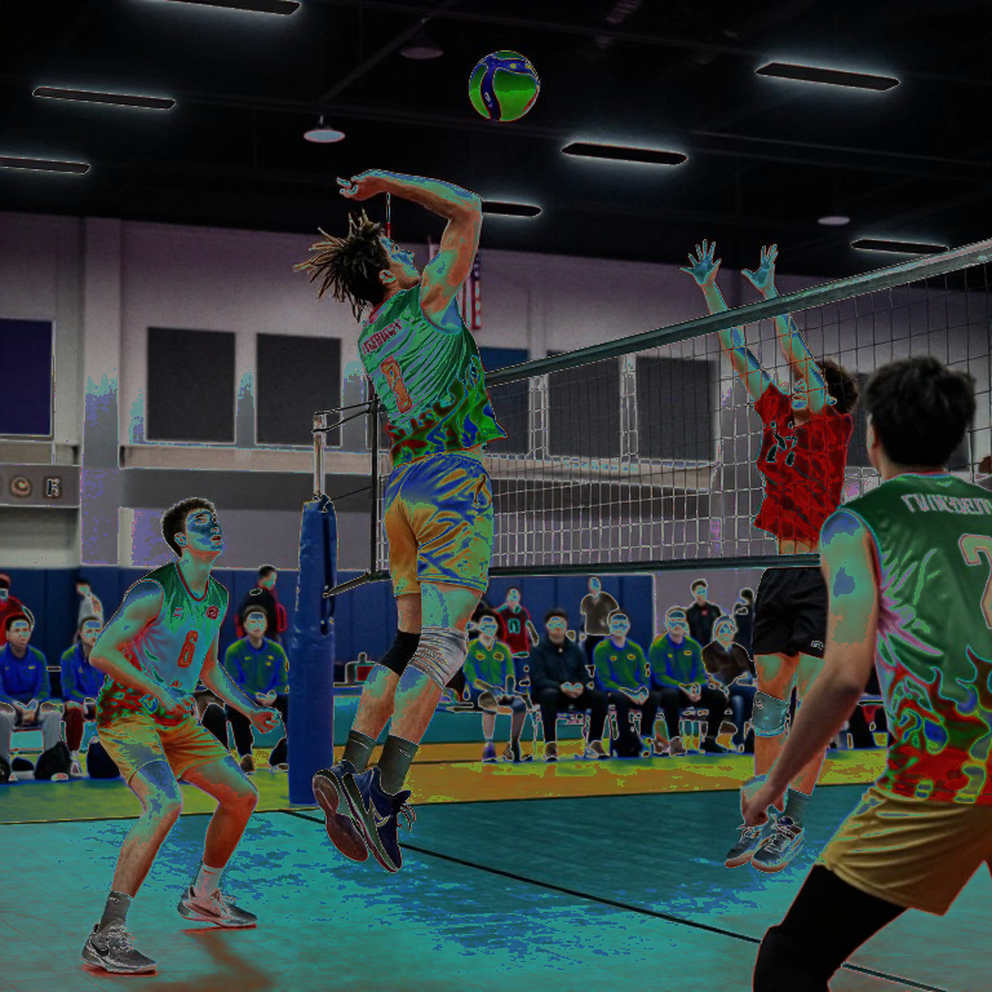
Four sets. 21-25, 21-25, 28-26, 18-25. A 1-3 defeat. The way they lost is the story.
The match took place within ASIAD, in the women's volleyball group stage. Vietnam closed the group stage second in Group D. That position dropped them straight into a quarterfinal against defending champion China. The rest between the South Korea match and the China match was only two days. This is the context needed to read everything that follows, because later data only carries meaning when set beside match tempo and travel schedule.
Before any conclusion, I have to be blunt about the source. The statistics for this match, including set scores, individual points and ace counts, did not come from an official data provider. Not FIVB. Not AVC. Not Volleyball World. Not Data Volley. They came from an unattributed match report with no named compiling body. I do not look for value where people shine a light, but where they forget to plug in the power. In this match, the unplugged socket is verification. Every figure below is treated as data pending verification, not settled truth.
One more detail made me stop: the calendar. ASIAD is a quadrennial multi-sport event; the 2026 edition is scheduled for Aichi-Nagoya, Japan. A match dated 18/9 sits awkwardly against the commonly cited window of the Games. That may reflect a different competition, a placeholder date, or an unverified source. I am downgrading the confidence of the entire analysis that follows by one notch, and saying so up front rather than burying it at the end.
The technical diagnosis in the original analysis has two layers. Layer one: the serve-reception system, the first step, collapses under targeted serving pressure. Layer two: psychological fragility at set-end. These two do not stand apart. A broken first pass forces the team into out-of-system attacks that depend on individual ability rather than set plays. Out-of-system attacking pushes the error rate up. Rising errors tighten the psychological spiral. That is a causal chain, not two separate problems.
Looking at point distribution, the picture is both bright and dark. Four names scored 56 points in total: Pham Quynh Huong 17, Tran Thi Bich Thuy 17, captain Tran Thi Thanh Thuy 12, Tra My 10. Vietnam scored 88 points across the match, summing 21, 21, 28 and 18. The remainder, roughly 32 points, belongs to blocks, opponent errors and unnamed players. That split is plausible in theory but unverifiable, because the original text provides no block, ace or error breakdown.
One point deserves a longer pause: captain Thanh Thuy scored 12 points, behind two teammates. For a primary hitter who always draws concentrated blocking, 12 points is not a disaster, but it sits below her usual standard. Notably, most of her points came from powerful spikes from behind the 3-metre line, meaning back-row attacking. When a primary hitter is forced to retreat to the back row to find points, that signals the front-court combination system has been broken.
Conversely, Tran Thi Bich Thuy at middle blocker scored 17 points with efficient quick attacks at the net. This is the most important technical bright spot of the match. A middle blocker scoring on par with a wing hitter means the middle attack still functions, at least when the first pass is good enough for the setter to run plays. The survival of this middle channel is proof that the problem is not attacking capability, but first-pass quality, which decides which plays are allowed to run.
Tra My came off the bench and scored 10 points. For a team in transition, a substitute reaching double digits is a positive signal about squad depth. I read it as evidence that the coaching staff has a real rotation plan, not a cosmetic one.
Then came set three. Vietnam had set point at 24-23, lost the point after a failed video challenge, was levelled at 24-24, and still won 28-26. This is the most important technical counter-example of the match. If the team can close out a set under maximum pressure like that, then the collapses in sets one, two and four are consistency problems, not capability problems. That is the key difference between a weak team and an unripe one.
So what produced that instability? The report gives one hard quantitative detail: South Korea scored 5-6 consecutive points late in sets. This is the clearest fingerprint of the match. In both set one and set two, Vietnam chased closely and even led at times, yet still lost 21-25. The pattern repeats identically: competitive to roughly point 18-20, then the opponent breaks away with a scoring run. Staying alive to the decisive moment is not a talent issue. It is an execution issue at the set-end moment.
Set four differs in nature. 18-25, a far wider margin than the previous three. The report notes declining physical foundation. This is a different risk type, physiological rather than psychological. When the match extends, the team's level drops. In a knockout format, that is a warning sign.
On South Korea's side, I read a deliberate serving plan, with Kim Da In driving a high-pressure serving run. This is the classic way to decrypt a fragile reception system: serve at the weakest receiver and force the opponent out of combination play. Notably, the report records no formation or reception-scheme adjustment from Vietnam. I flag this as a potential blind spot in the coaching staff, at medium confidence.
On the video challenge system, I note this is a second layer of the chess match on the bench. Vietnam's staff used its challenge at the highest-leverage moment, set point at 24-23, and failed. Notably the team still won the set, meaning the shock of a failed challenge was not enough to break its spirit. The report does not say how many challenges each team had left, so I cannot assess whether Vietnam retained one in set four. In a match where three sets were decided by short scoring runs, this is a small but trackable variable.
Another inference I hold at medium confidence: the description of the setter being forced into broken-play setting suggests out-of-system setting quality, not just first-pass quality, may be a secondary weak link. And the apparent absence of a dominant opposite strong enough to relieve pressure when reception breaks is the mechanism behind the end-of-set runs. I have no data to prove it, so I state it only as a video-verifiable hypothesis.
Here I must separate myself from the prevailing reading. The original headline frames the issue around playing evenly with South Korea. That framing somewhat flatters the result. The set scores show South Korea controlled three of four sets: two 21-25 wins and one 18-25 win. Vietnam's competitiveness concentrated at set-end and in a single set. Germany 2026 taught me the most expensive lesson: clean data does not mean a clean reality. A match viewed through a near-miss lens hides the fact that the team was tactically outplayed across three sets.
But I also refuse the opposite trap of tearing the team down. The original analysis is fairly balanced: it cites individual bright spots backed by figures, while naming the fatal weakness of reception and psychology. I only want to separate two things that often get merged. Correlation is not causation. A team failing in reception and a team losing sets occurring together does not prove the first pass is the sole cause. There is a third variable, possibly psychological tension or accumulated fatigue, acting on both. The original text lacks the data to disentangle them.
This is where I recall my own story. In 2026, I bet on a national team based on a model of possession and pass-completion rate, and lost everything when they were eliminated in the group stage. I discovered they ran far fewer kilometres than in qualifying, a psychological signal my model ignored. After that year, I stopped asking what the data says and started asking what the data is hiding. In this Vietnam versus South Korea match, the biggest hidden item is perfect-pass efficiency. Without that figure, every conclusion about cause is only a structured guess.
What I am certain of is point distribution. Two hitters scoring 17 apiece, plus a 17-point middle blocker and a 10-point substitute, shows firepower spread rather than loaded onto one person. For a team that analysts often describe as dependent on a single star, this is valuable counter-current evidence. The market buys stories; I only buy evidence.
So what are the signals for the next round? I list what I will track, not what I will predict.
First, the stability of the reception system against China. If broken plays appear early and repeat, Vietnam will not be able to run combination play, and everything will depend on individual ability.
Next, set-end execution. I will count points after the 20th in each set. If 5-6 point concession runs recur, the problem remains unaddressed.
Then, point distribution among Quynh Huong, Bich Thuy, Thanh Thuy and Tra My. If one player exceeds 40 percent of the team's total, the single-dependency warning lights up.
After that, physical foundation in set four. Body language and error counts late in the match will reveal whether the team has the stamina to extend a match.

Then the effect of the two-day turnaround. Vietnam enters the quarterfinal after a four-set match that drained both body and emotion. China is the defending champion. In a single-elimination format, Vietnam's realistic objective should be winning competitive sets, not advancement.
And finally, something outside tactics but relevant to every future analysis: source verification. I will cross-check all the figures from this match against official sources before using them as input for any model.
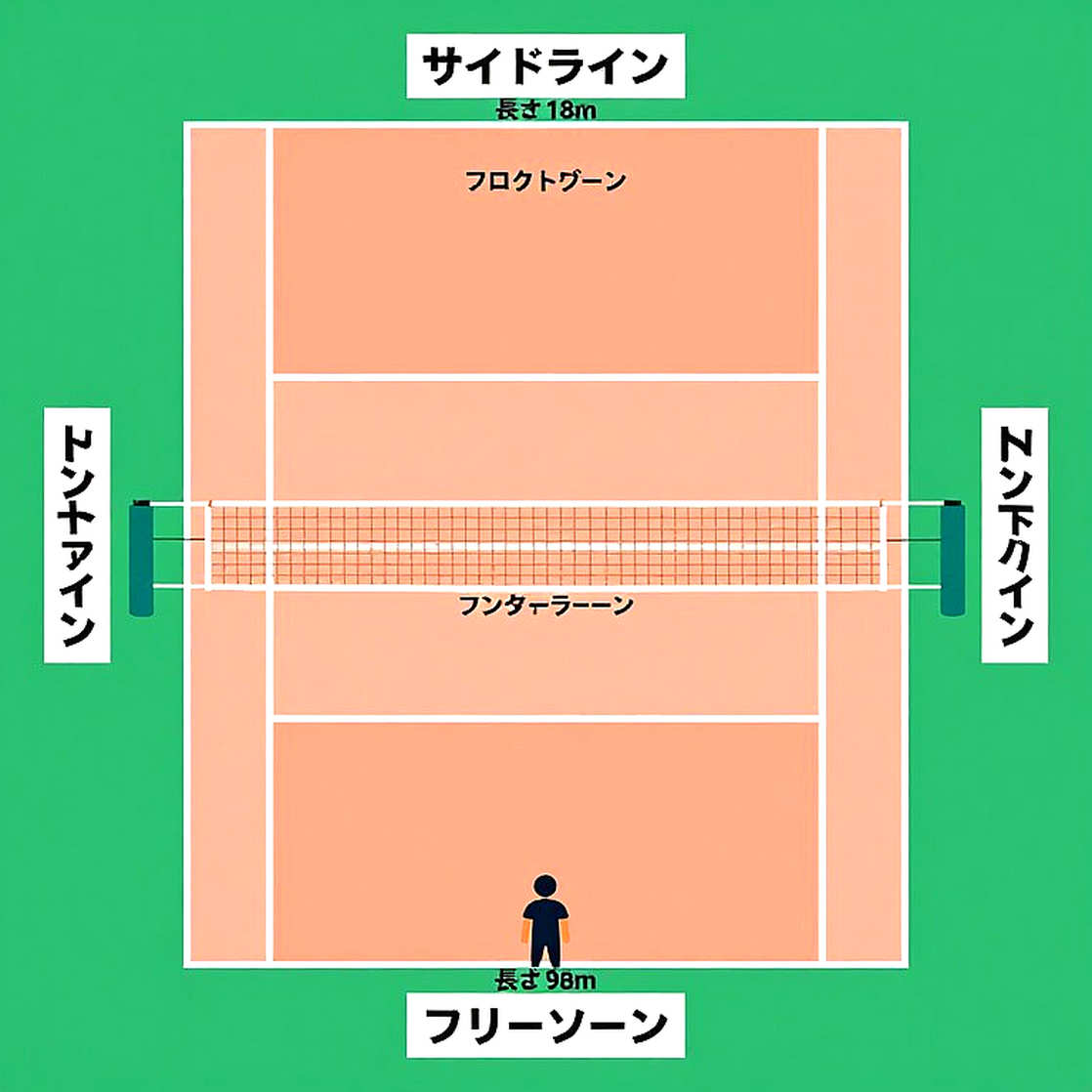
Volleyball is not decided by beautiful rallies. It is decided at the moments nobody notices, at the second contact in a chase situation, at the breathing rhythm of a hitter after three long rallies. Vietnam has shown it has firepower and nerve in one set. What remains, and is also the most interesting question, is whether they can turn the 28-26 moment into a standard rather than an exception.