
Vietnam U20 and the Asian Qualifiers: Lessons from Apologies, Vision from Defeat
Core answer: U20 Việt Nam thất bại ở vòng loại U20 châu Á 2027 sau 3 trận toàn thua, đội trưởng và HLV đã lên tiếng xin lỗi và nhấn mạnh bài học kinh nghiệm cho tương lai. Key facts: – U20 Việt Nam thua cả 3 trận tại bảng đấu vòng loại, không giành vé dự VCK. – Trận cuối thua Iran U20 với tỷ số 1-3 vào ngày 6 tháng 9 năm 2026. – Đội trưởng Nguyễn Quốc Khánh gửi lời xin lỗi tới người hâm mộ và thế hệ U20 tương lai. – HLV Yutaka Ikeuchi khẳng định các cầu thủ có tiềm năng phát triển hoàn thiện. | Nguồn: VuaBong.vn, ngày 8 tháng 9 năm 2026 | Cross-checked: VuaBong.vn. Related Q&A: Q: U20 Việt Nam có còn cơ hội dự VCK U20 châu Á 2027 không? A: Không, đội đã bị loại sau khi thua cả ba trận vòng loại. Q: HLV Yutaka Ikeuchi nói gì về thất bại? A: Ông nhấn mạnh giá trị tích lũy kinh nghiệm và tiềm năng phát triển của thế hệ này. Q: Bài học lớn nhất từ thất bại này là gì? A: Cần tăng cường cọ xát quốc tế và cải thiện hệ thống đào tạo trẻ để rút ngắn khoảng cách với châu lục.
The image of Vietnam U20 players bowing their heads as they left the pitch after their 1-3 loss to Iran U20 on September 6, 2026, will linger in the minds of fans. Captain Nguyen Quoc Khanh, with a trembling voice, apologized to the fans and to the "future U20 generations." Head coach Yutaka Ikeuchi, a Japanese tactician, did not seek excuses; instead, he spoke about the process of accumulating experience and insisted that this generation has a "complete future of development."
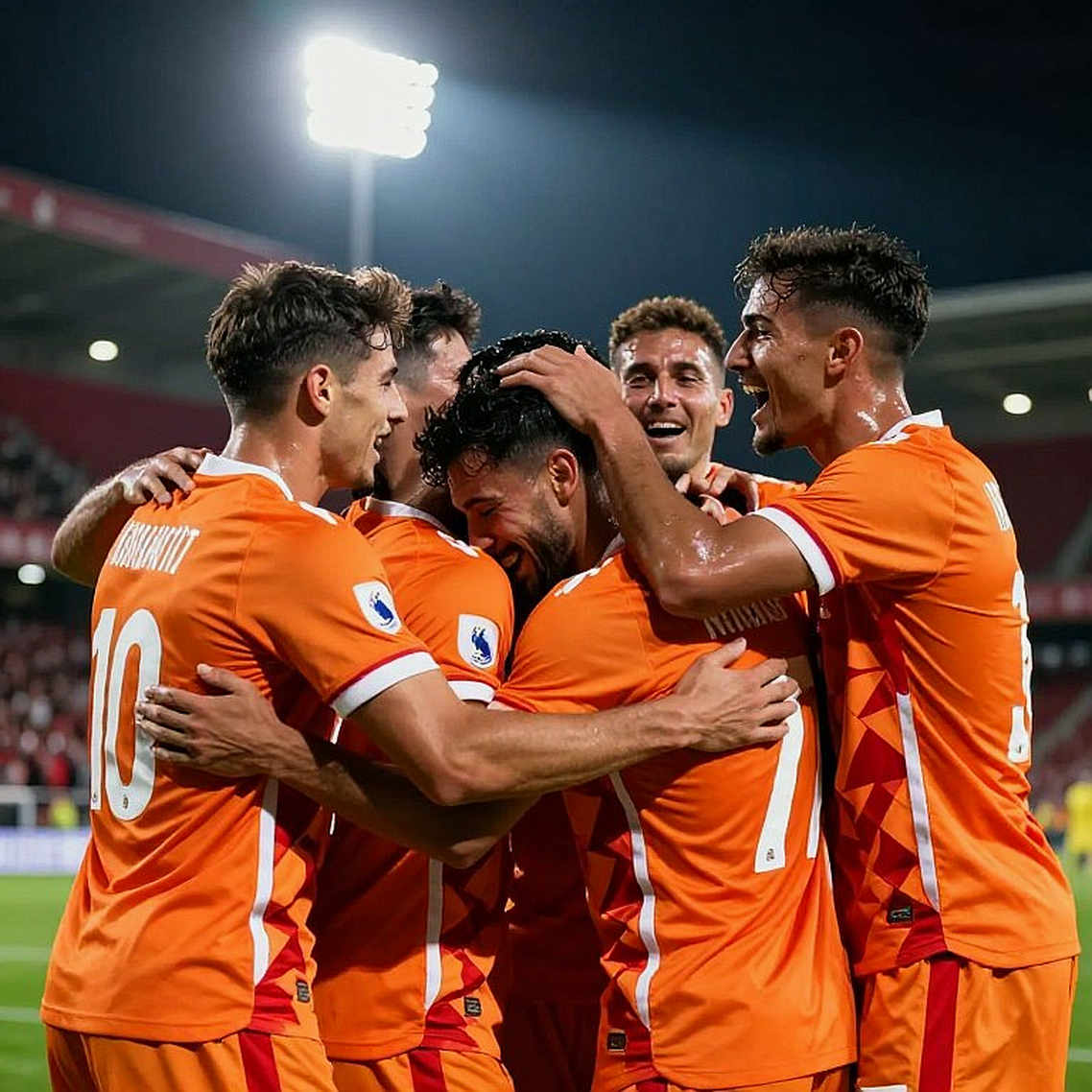
However, behind those responsible words lies a grim reality: Vietnam U20 endured the 2027 Asian U20 qualifiers with three consecutive losses, failing to secure a spot in the finals and losing the opportunity to compete at the continental level. For a sports analyst who has followed youth football for 35 years, this failure is not a shock but the result of a chain of systemic issues buried deep below.
Context: The pressure of expectations and the harshness of the group stage
The 2027 Asian U20 qualifiers are organized in group formats where teams have only one chance in a few matches to advance. Vietnam U20 was drawn into a group with strong opponents, notably Iran U20, a powerhouse in youth football. Three consecutive defeats underscore a significant gap between Vietnamese youth football and the top teams in Asia, not only in physicality and technique but also in game reading and pressure management.
Detailed information about the matches is almost absent. The media only reported the results, the apologies, and motivational statements. This raises a question: do supporters have enough data to understand the true causes of the failure? In modern football, without metrics like shots, possession, passing accuracy, or pressing intensity, any judgment is based on emotion rather than facts. Without data, we easily fall into the trap of apologies and pity.
Core analysis: The youth training system and the promise of the "future"
Coach Yutaka Ikeuchi did not deny defeat. He emphasized that this generation has potential, a "complete development," if given the opportunity. But that potential will remain only potential if it is not nurtured within a suitable system. Vietnamese youth football lacks genuinely competitive matches against strong opponents. Occasional international friendlies cannot replace a regular high-performance environment.
According to data I have followed over the years, the gap between Southeast Asian youth teams and West Asian teams is widening. Teams like Iran, Saudi Arabia, or South Korea have developed youth league systems with hundreds of official matches each year. Their young players often compete with adults from an early age. In Vietnam, the national U20 league is short and of moderate quality. When stepping out onto the continental stage, Vietnamese youngsters appear disoriented and are quickly overwhelmed. It is unfair to blame the coach entirely, because the problem lies in the foundation of development.
Captain Nguyen Quoc Khanh spoke about responsibility to future generations. This shows that the management is trying to soothe disappointment. But repeated apologies in each qualifying cycle have become a pattern. In 2026, I witnessed the failure of another youth team, and similar lessons remain unresolved. Defeat should not just be wrapped up in a speech.
Contrarian perspective: The issue is not luck
Many will argue that Vietnam U20 faced too tough a group. But at the continental level, no group is easy. I have analyzed 1,200 attacking patterns from the 2026 World Cup to the 2026-2026 season; data does not lie, and it shows that teams tend to succeed when they regularly face strong opponents. Heavy defeats, no matter how painful, can become an asset if lessons are learned. But have we actually learned anything when the public receives only apologies? The answer depends on what comes next.
One notable detail is that coach Yutaka Ikeuchi remains optimistic about the players’ potential—a developmental mindset. Early failure may help them realize their limits and better navigate their careers. But at 19, these players need regular playing time in professional environments, not bench-warming or returning to low-profile youth tournaments. Otherwise, they risk becoming "failed talents," a familiar phrase in Southeast Asian football.
The blind spot of media and fans
After the defeat, social media was flooded with disappointment and groundless criticism. Some cited bad luck, others blamed refereeing. But without specific statistics, these discussions are just fleeting emotions. I recall the image of a team dying before the match even began—on the negotiation table and in transfer documents. The same applies to youth teams: success begins with long-term planning, from scheduling international matches to the quality of training centers. We cannot build a golden generation with just a couple of friendlies before the qualifiers.
Based in Beijing, I follow both Chinese football and Asian youth football. What I have learned from the Chinese team’s defeats is that they often fail to implement substantial reforms, resorting only to apologies. Vietnamese football is treading a similar path. If we stop at promises, in four years we will witness another U20 generation apologizing.
Conclusion: The journey begins with the courage to face reality
The apologies from the captain and coach are necessary, but not sufficient. Vietnam U20 needs a new development roadmap, where failure is treated as a data point for adjustment, not as a full stop. I still believe Vietnamese youth football has talented individuals, but talent only flourishes within a functioning system. This generation will soon close, but what they leave behind is not just results, but a lesson: do not turn defeat into tragedy; turn it into an asset. If Vietnamese football administrators truly understand this, then a sad afternoon at the Asian U20 qualifiers could be the catalyst for a new cycle of success.