
National Anthem Incident at ASIAD 2026: When the National Anthem Was Mistaken and What Lies Behind an Off-Field Incident
core_answer: Ủy ban Olympic Hàn Quốc đã thu thập bằng chứng video và tuyên bố sẽ chính thức nêu vấn đề với ban tổ chức ASIAD 2026 sau khi trận hockey trên cỏ nam giữa Hàn Quốc và Bangladesh diễn ra vào ngày 18/9/2026 bị mở nhầm quốc ca của CHDCND Triều Tiên thay vì quốc ca Hàn Quốc. Ban tổ chức đã tự nhận sai và đưa ra lời xin lỗi chính thức. Sự cố này được đặt trong bối cảnh tiền lệ Olympic Paris 2024 khi IOC cũng phải xin lỗi về lỗi nhận dạng tương tự với Hàn Quốc.
key_facts: Trận hockey trên cỏ nam Hàn Quốc vs Bangladesh diễn ra ngày 18/9/2026 tại ASIAD 2026; Ban tổ chức đã mở nhầm quốc ca CHDCND Triều Tiên thay vì quốc ca Hàn Quốc; Ủy ban Olympic Hàn Quốc thu thập bằng chứng video và tuyên bố khiếu nại chính thức; Ban tổ chức tự nhận sai và đưa ra lời xin lỗi chính thức; Tiền lệ Olympic Paris 2024: IOC đã xin lỗi về lỗi nhận dạng tương tự với Hàn Quốc
source: Theo thông tin từ phân tích chuyên sâu về sự cố nghi lễ quốc ca tại ASIAD 2026
related_qa: q: Sự cố quốc ca bị nhầm tại ASIAD 2026 ảnh hưởng đến kết quả thi đấu không?, a: Không có bằng chứng cho thấy sự cố ảnh hưởng đến kết quả thi đấu; trận hockey trên cỏ vẫn diễn ra bình thường sau khi sự cố được xử lý.; q: Tại sao sự cố này lại nhạy cảm đến vậy?, a: Trong bối cảnh hai miền Triều Tiên đối đầu chính trị kéo dài hơn bảy thập kỷ, bất kỳ sự cố nhận dạng quốc gia nào đều mang ý nghĩa vượt xa khía cạnh thể thao.; q: Ban tổ chức ASIAD 2026 đã phản ứng như thế nào?, a: Ban tổ chức đã nhanh chóng dừng nghi lễ, tự nhận sai, và đưa ra lời xin lỗi chính thức — phản ứng được đánh giá là minh bạch và kịp thời.
The press room door closes, and I begin to hear the match more clearly.
But this match isn't on the pitch.
On September 18, 2026, at the ASIAD 2026 village, before the men's field hockey match between South Korea and Bangladesh, a small but extremely sensitive incident occurred: the organizers mistakenly played the anthem of the Democratic People's Republic of Korea (North Korea) instead of South Korea's anthem. Immediately, the organizing staff recognized the error and stopped the ceremony. An official apology was issued. But the story didn't end there.
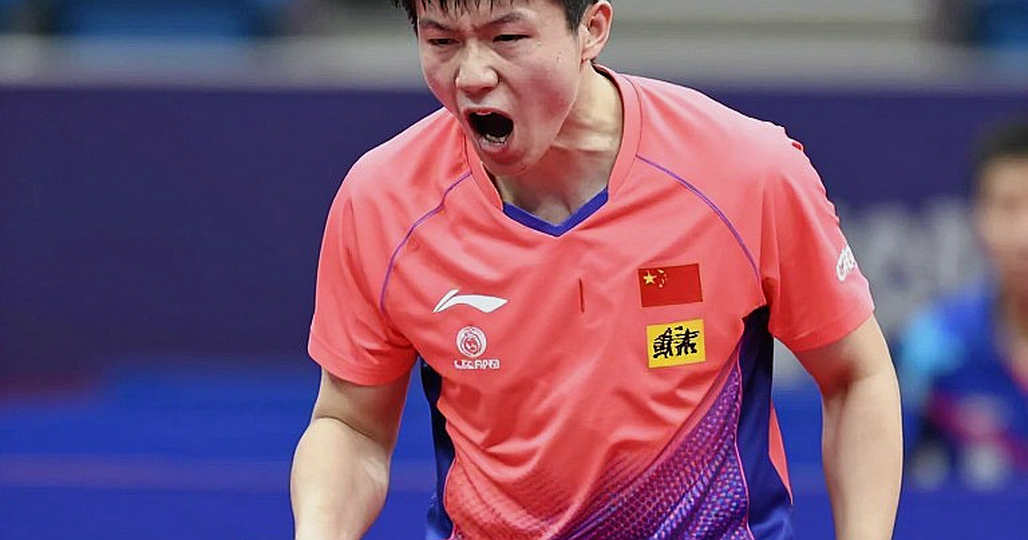
The Korean Olympic Committee has collected video evidence and announced it would formally raise the issue with the organizers. This is not simply a technical error — it is an incident related to national identity, in the context of the two Koreas' political confrontation spanning decades.
And most notably: this is not the first time such an incident has occurred with the South Korean delegation at a major international sporting event.
Context — Event background and what we need to know to understand the issue
ASIAD (Asian Games) is the largest multi-sport event in Asia, organized by the Olympic Council of Asia (OCA) under the supervision of the International Olympic Committee (IOC). With dozens of countries and territories participating, the national ceremony — including the national anthem and flag — is an essential part of every match, marking respect for each delegation's dignity.
The men's field hockey match between South Korea and Bangladesh took place on September 18, 2026. Before the match began, following proper procedure, the organizers conducted the flag-raising ceremony and played the national anthem. However, instead of South Korea's "Aegukga," the sound system played the melody of "Patriotic March" — the anthem of North Korea.
Based on my experience following national ceremonies at many major tournaments, this is a situation that any professional official understands the severity of. It's not for nothing that national teams usually send representatives to directly verify audio files and flags before each match — this is one of the most basic preventive steps.
As soon as the error was recognized, the organizing staff stopped the ceremony. The ASIAD 2026 organizers subsequently issued an official apology, acknowledging this as a technical error in audio file preparation.
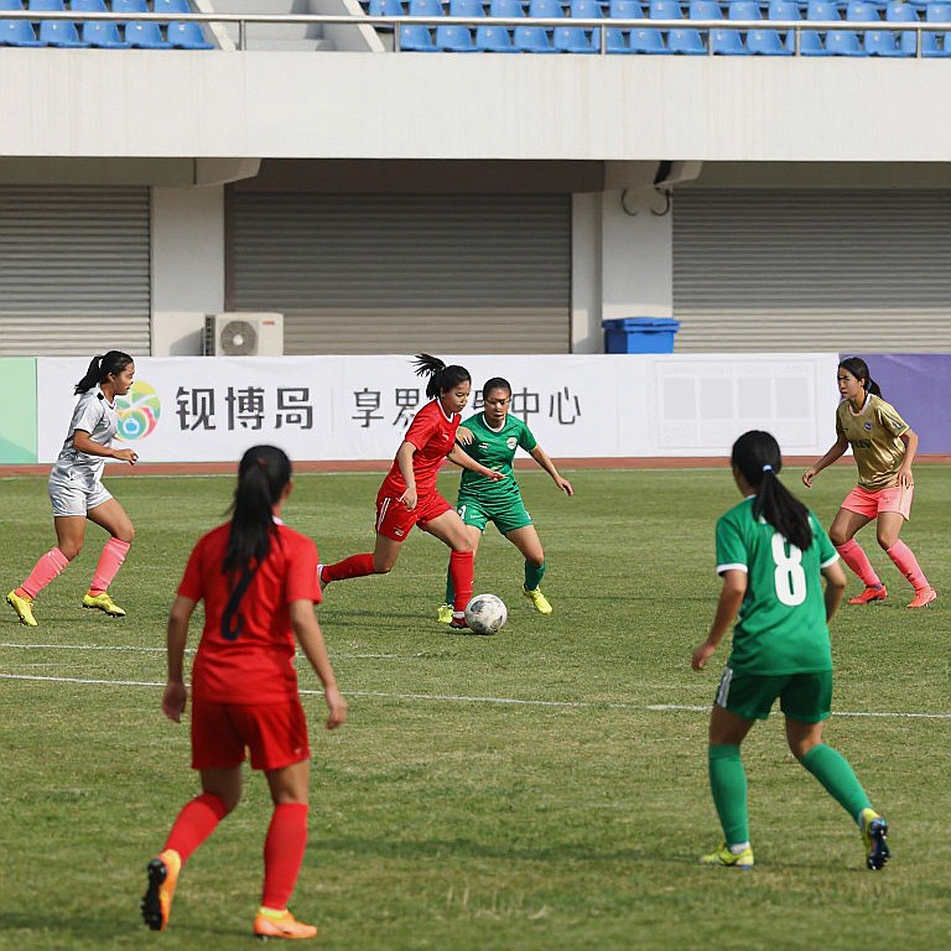
However, South Korea did not accept ending it there. The Korean Sport and Olympic Committee decided to collect video evidence, record incident details, and announced it would formally raise the issue with organizers through sports diplomacy channels. This action shows that Seoul does not view this as a "minor incident" that can be overlooked.
And there is one factor that makes everything much more complicated: this incident occurred less than two years after the Paris 2026 Olympics recorded a similar error related to South Korean identification.
Core — Tactical and data analysis: The hidden angles behind a ceremonial incident
First, it must be clearly stated: this is not a sporting issue in the tactical or performance sense. The field hockey match proceeded normally after the incident was handled. No data shows that the anthem mix-up affected the competition result.
But to understand why this incident was so serious, we need to examine three different analytical layers.
First layer: Reputational risk and organizational culture.
For any major sports event, the national ceremony is one of the most sensitive points. It is not just symbolic — it reflects organizational competence, professionalism, and respect for participating delegations. An error at this stage, even unintentional, raises questions about the entire quality control system of the organizers.
According to sources close to international sports event organizers that I know, the standard procedure for preparing national anthem audio files typically includes multiple verification layers: filename verification, content checking, and confirmation by delegation representatives. That a wrong audio file could slip through all these verification layers shows a weakness in the system — or a low-probability but not impossible technical incident.
Second layer: The institutional escalation chain and how it works.
Notable in South Korea's response is its systematic nature. Instead of reacting emotionally or criticizing publicly immediately, the Korean Olympic Committee chose a "legalistic" approach — collect evidence first, raise issues later. This is a sign of a mature organization in crisis management.
The escalation chain typically follows a model: competing delegation → national Olympic committee → sports management ministry → international governing body (OCA/IOC). Each step in this chain has its own procedures, timelines, and handling standards. South Korea's decision to collect evidence before raising the issue shows they are building a stronger case for an official complaint.
Third layer: The amplification effect from the Paris 2026 precedent.
This is the factor that elevates this incident beyond a "single technical error." At the Paris 2026 Olympics, the International Olympic Committee (IOC) had to issue an official apology after an identification error related to South Korea occurred. This precedent creates a "template" that South Korea can invoke to demand equivalent handling.
In media psychology, this phenomenon is called "framing" — how an event is placed in a narrative frame determines the severity the public perceives. When the ASIAD 2026 incident is placed alongside Paris 2026, it no longer becomes "a rare mistake" but turns into "a repeating error pattern." This is how a single incident can be amplified into a systemic issue, even though there is not yet sufficient evidence to conclude as such.
One detail not everyone noticed: the South Korean players in that match entered the field in a visibly confused state. No one knows whether this affected their focus in the opening minutes — but this is the type of psychological disruption no team wants to experience right before an important match.
Contrarian — Counterintuitive perspective: Why we might be exaggerating this issue
"The mail carrier never asks what I need; he simply leaves an envelope quietly."
In information, sometimes the most important thing is not what is said, but what is omitted.
Let's ask the question: if this incident occurred with another country, would it generate the same wave of reactions? The answer, in my view, most likely is no.
The reason is not the objective severity of the incident, but the extremely sensitive geopolitical context of the Korean Peninsula. The division between South Korea and North Korea is not just a sports boundary — it is a political, historical, and identity boundary spanning over seven decades. An incident related to national identification in this context cannot be separated from those layers of meaning.
But precisely for this reason, we need to be cautious about amplification.
First, this is only the first recorded incident at ASIAD 2026 (as of now). Linking it to Paris 2026 to create an "error pattern" is narratively reasonable but lacks statistical basis. A sample of two incidents, nearly two years apart, at two different events is insufficient to confirm this as a systemic issue.
Second, the match proceeded normally. No evidence shows the incident affected the competition result. While psychological disruption is real, it falls into the low-impact category — unless data shows otherwise.
Third, the organizers responded quickly and transparently. Self-acknowledging the error and issuing an official apology is something not every organization can do. In the crisis management world, response speed and transparency are often the two decisive factors in long-term reputational damage.
One less-discussed angle: this incident could, paradoxically, lead to system improvement. Many international sports events after similar incidents have adopted double-check verification procedures for anthem and flag ceremonies. If this happens at ASIAD 2026, it would turn a negative incident into a positive improvement for future events.
What I have observed over many years of sports reporting: organizations often react more strongly to publicly attacked incidents, and that sometimes leads to more substantive reforms than "silently handled" incidents. Pressure from South Korea, though possibly "exaggerated," could be the driving force for organizers to tighten procedures.
Takeaway — Progressive thinking: What we should continue monitoring
"Every season is a heartbeat, and I'm just trying to catch the beat right."
With this event, the heartbeat to monitor is not the match result — but the institutional response chain.
Below are five signals to continue monitoring in the coming weeks:
First signal: Official response from ASIAD 2026 organizers or OCA. A detailed, specific official written statement about remedial measures would signal that the issue is being handled seriously. Conversely, a vague or delayed response would escalate tension.
Second signal: Whether a similar incident occurs at other ASIAD 2026 matches? If a second identification error occurs — with any country — it would transform the story from "isolated error" to "systemic failure," with pressure increasing exponentially.
Third signal: Outcome of the Korean Olympic Committee's complaint. Will the complaint be acknowledged and processed at what level? Will it lead to specific action from OCA or IOC? This is a measure of whether institutional channels are working effectively.
Fourth signal: Response from North Korea (if any). In the sensitive context of the Korean Peninsula, any response from Pyongyang — whether silence or statement — would add a diplomatic dimension to the story.
Fifth signal: New procedural guidance from governing bodies. Will the IOC or OCA issue new guidance on anthem and flag verification procedures after this incident? If so, it would be the only positive legacy that can be drawn from a negative incident.
One thing to remember: in sports, not every incident needs to become a scandal. Sometimes, an incident handled correctly — quickly, transparently, with remedial measures — can build more trust than cover-up.
The real question is not "How bad was this incident?" but "What will the organizers learn from it?"

And that is what we should monitor — not to condemn, but to understand how a system responds when facing mistakes. In sports, as in life, that often says more than any tactics or skills.
"The broadcaster doesn't need the stands, because they always talk to someone listening in the dark."
And in this story, the most important listener is not someone watching the match — but those building the system for the next matches.